

Pulley Lagging
Why Choose Us
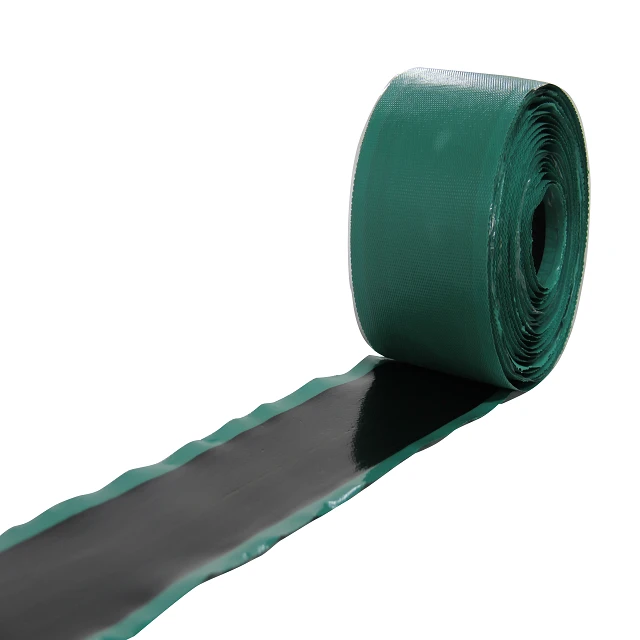
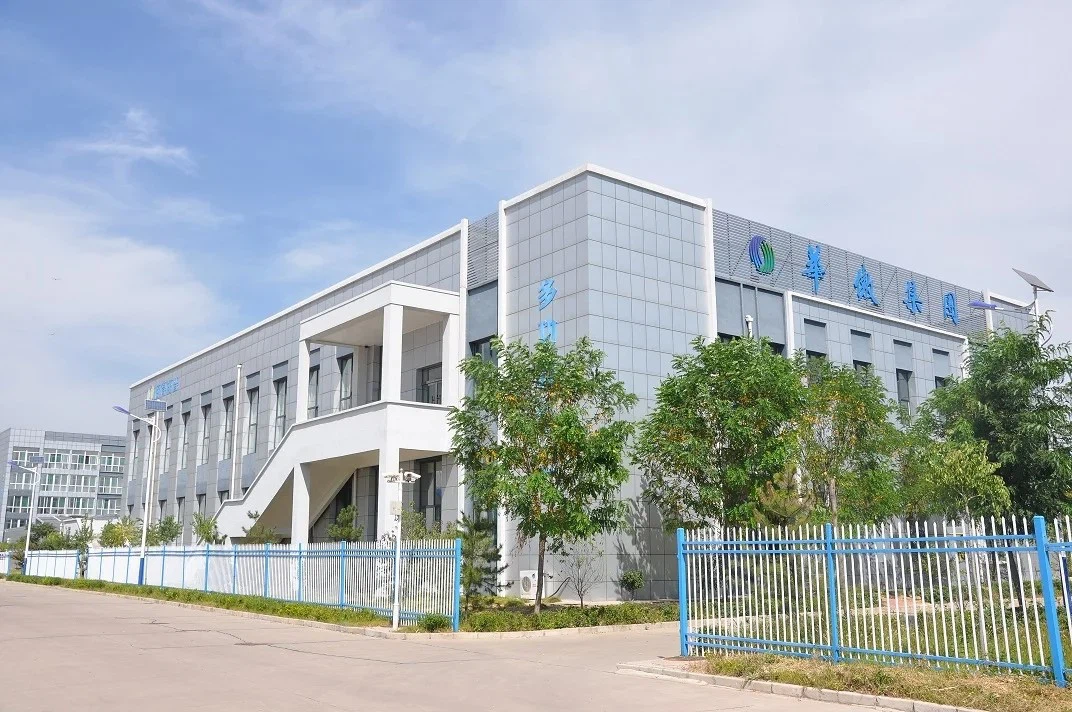
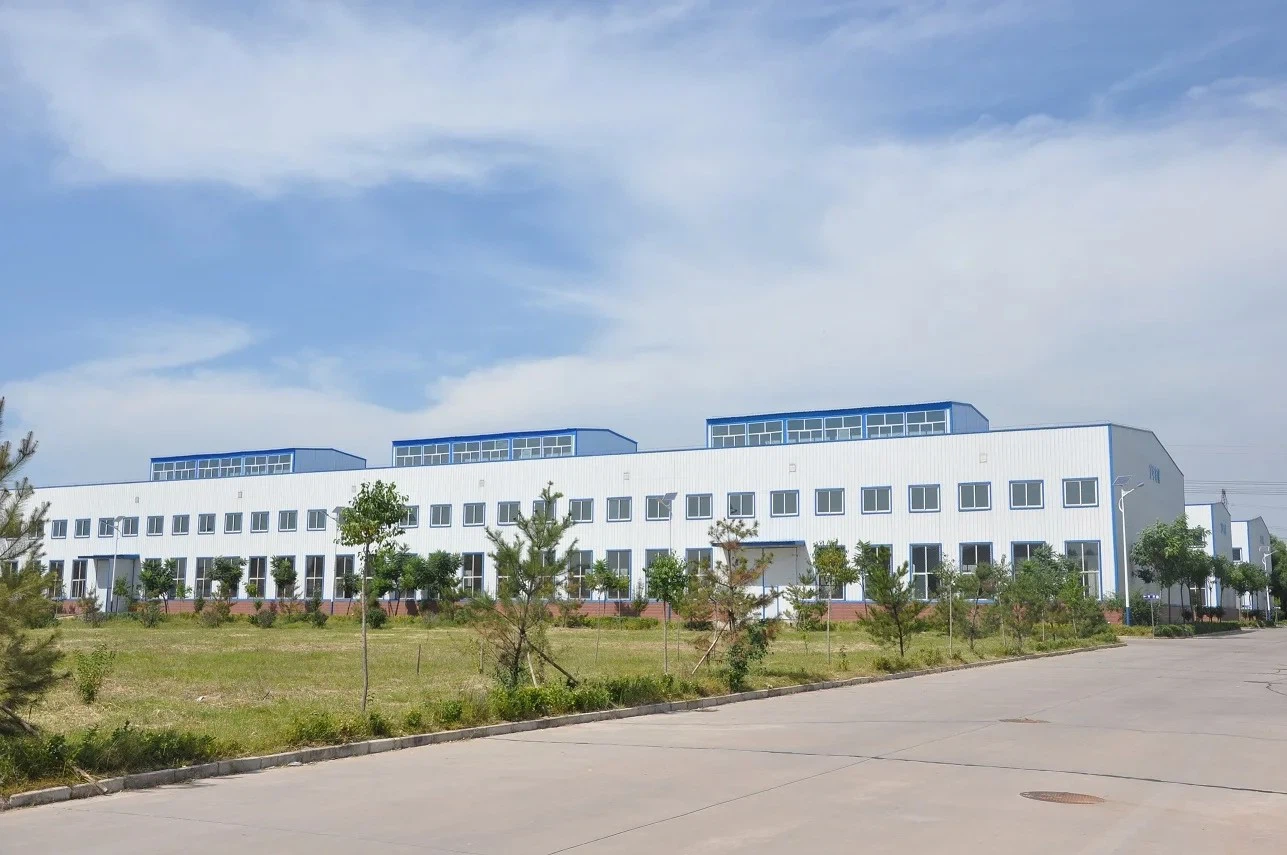
Shanxi Betop Industry and Trade Co., LTD. was founded in 2008, and honored as "Shanxi Provincial private science and technology enterprise", "Top 50 Taiyuan Manufacturing Enterprises". We specialize in producing T2 Cleaning Rubber C, T2 Solution B, T2 Solution A, T2 Compound B, Conveyor Belt Repair Patch, Conveyor Belt Cover Strip, Clean Solvent, Conveyor Belt Repair Glue, and other Conveyor Belt Cold Splice.
Advanced Equipment
Our company owns advanced testing instrument produced by Taiwan Gotech Testing Machines Co., Ltd. and Harbin Hapro Electrical Technology Co., Ltd.
Rich Experience
We expertise concentrate maintains for more than 15 years on fire retardant pulley lagging products specifically applied in large and underground coal mines. The products have been exported to more than 50 countries and regions all over the world.
Conveyor Belts One-stop solution
Our products include cold bond adhesives, quick repair glues, hot splicing joints tie gum, cover sheet, pulley lagging rubber sheets, sealing skirt board covering nearly all the materials necessary for conveyor belt reparation.
Quick Response
Our commitment is to respond to your inquiries within 24 hours, ensuring that you receive the information and support you require in a timely manner.
-
![Ceramic Pulley Lagging]() Ceramic Pulley LaggingConveyor Belts One-stop solution Our products include cold bond adhesives, quick repair glues, hot splicing joints tie gum, cover sheet, pulley lagging rubber sheets, sealing skirt board...read more
Ceramic Pulley LaggingConveyor Belts One-stop solution Our products include cold bond adhesives, quick repair glues, hot splicing joints tie gum, cover sheet, pulley lagging rubber sheets, sealing skirt board...read more -
![Plain Rubber Lagging]() Plain Rubber LaggingPlain pulley lagging used for pulley lagging of low to medium loaded conveyor belt, reduce slippage between belt and pulley, improve and stabilize coefficient of friction, prevent the pulley...read more
Plain Rubber LaggingPlain pulley lagging used for pulley lagging of low to medium loaded conveyor belt, reduce slippage between belt and pulley, improve and stabilize coefficient of friction, prevent the pulley...read more -
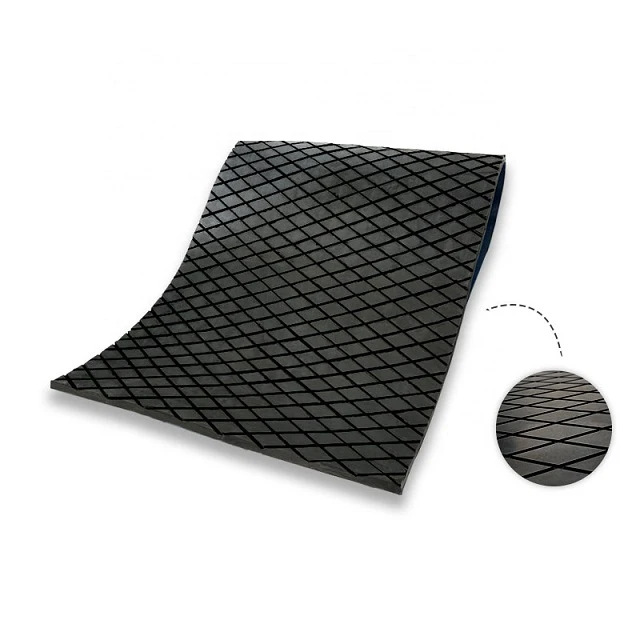
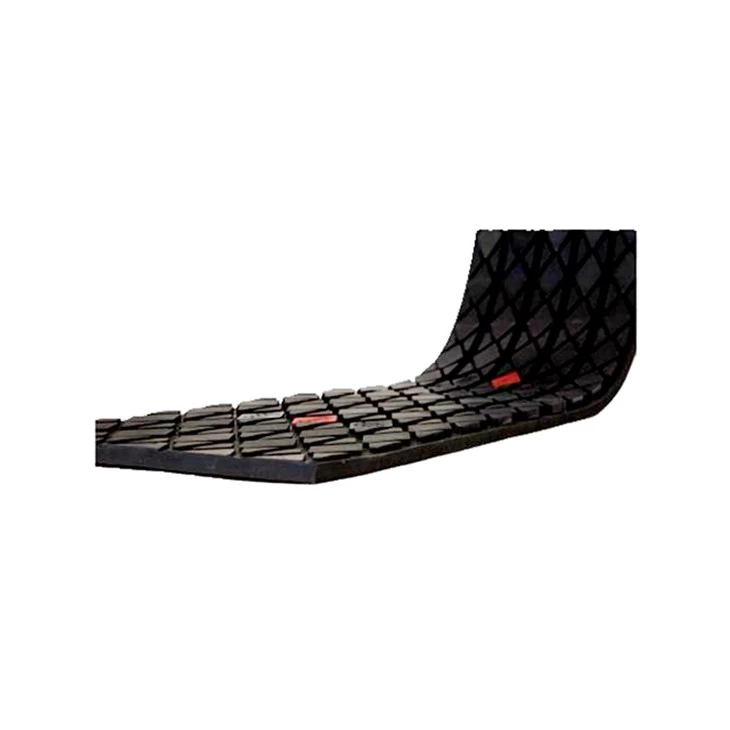
![Diamond Pulley Lagging Sheet]() Diamond Pulley Lagging SheetDiamond pulley lagging sheet used for drive pulleys of low to medium loaded conveyor belt, reduce slippage between belt and pulley, improve and stabilize coefficient of friction, prevent the...read more
Diamond Pulley Lagging SheetDiamond pulley lagging sheet used for drive pulleys of low to medium loaded conveyor belt, reduce slippage between belt and pulley, improve and stabilize coefficient of friction, prevent the...read more -
![Mini Diamond Pulley Lagging]() Mini Diamond Pulley LaggingMini diamond pulley lagging sheet used for drive pulleys of low to medium loaded conveyor belt, reduce slippage between belt and pulley, improve and stabilize coefficient of friction, prevent the...read more
Mini Diamond Pulley LaggingMini diamond pulley lagging sheet used for drive pulleys of low to medium loaded conveyor belt, reduce slippage between belt and pulley, improve and stabilize coefficient of friction, prevent the...read more -
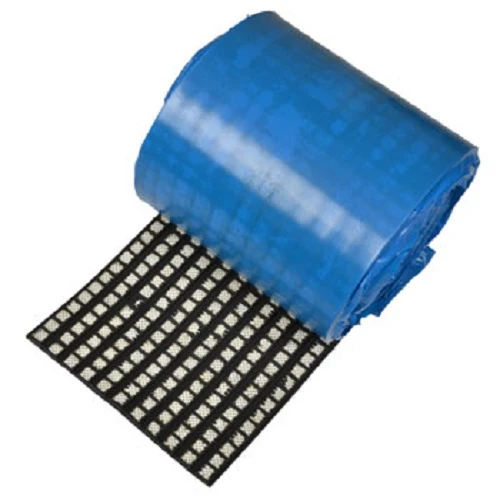
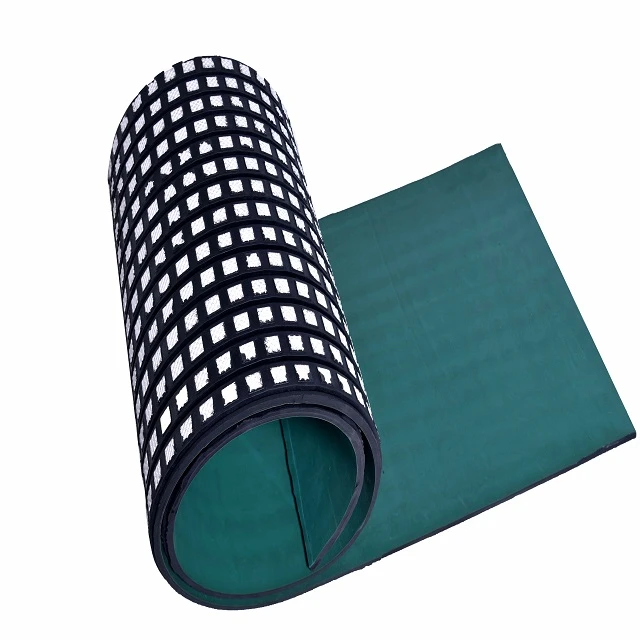
![Ceramic Pulley Lagging]() Ceramic Pulley LaggingCeramic lagging sheet with vulcanised alumina oxide Al2O3 ceramic tiles, used for drive pulleys, operating under wet ,clay-containing, muddy and extreme conditions, highly wear resistant, strong...read more
Ceramic Pulley LaggingCeramic lagging sheet with vulcanised alumina oxide Al2O3 ceramic tiles, used for drive pulleys, operating under wet ,clay-containing, muddy and extreme conditions, highly wear resistant, strong...read more -
![Diamond Strip Lagging]() Diamond Strip LaggingFlex-lag rubber lagging,also called diamond strip lagging used for drive pulleys of low to medium loaded conveyor belt, reduce slippage between belt and pulley, improve and stabilize coefficient...read more
Diamond Strip LaggingFlex-lag rubber lagging,also called diamond strip lagging used for drive pulleys of low to medium loaded conveyor belt, reduce slippage between belt and pulley, improve and stabilize coefficient...read more -
![Nature Color Rubber]() Nature Color RubberNature color rubber used for good sealing properties for conveyor belt transporting materials, skirt rubber can be different color,such as black, orange, red and others.read more
Nature Color RubberNature color rubber used for good sealing properties for conveyor belt transporting materials, skirt rubber can be different color,such as black, orange, red and others.read more


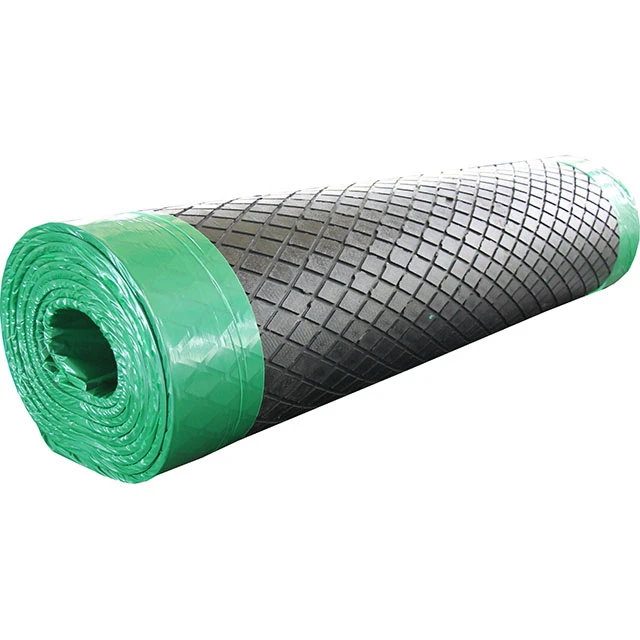
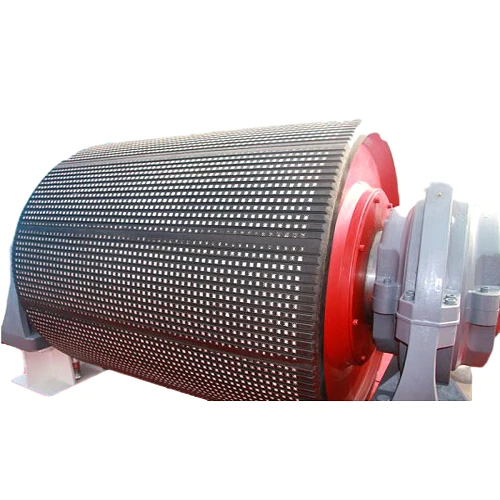
Pulley lagging is the process of bonding a layer of rubber to the conveyor pulleys shell. Lagging & grooving is often used in applications to reduce belt slippage and to lengthen the overall service life of the roller. Having a specific lagging on the conveyor pulley reduces wear and friction. If you want to know the specifications and prices of Pulley Lagging, please contact us!
Advantage of Pulley Lagging
Improved Traction
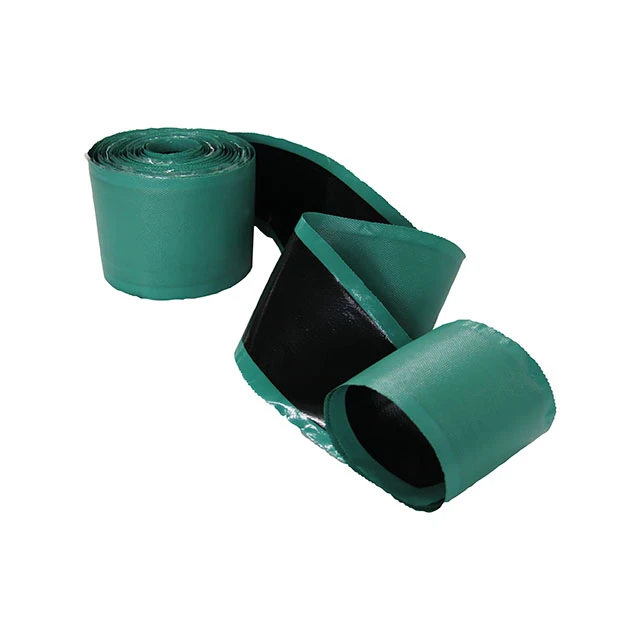
One of the primary pulley lagging benefits is that it improves traction between the belt and the pulley. This can help to prevent slippage, which can cause a range of issues, including increased wear and tear on the belt, reduced efficiency, and even the potential for accidents.
Increased Belt Life
Pulley lagging can also help to extend the life of your conveyor belt. By reducing slippage, pulley lagging helps to reduce the amount of wear and tear that your belt experiences, which can help to prolong its lifespan.
Improved Conveyor System Efficiency
Another benefit of pulley lagging is that it can improve the overall efficiency of your conveyor system. By reducing slippage and improving traction, pulley lagging helps to ensure that your conveyor system is operating as efficiently as possible.
Pulley lagging improves traction between the belt and the pulley, reducing load and wear on the drive, belt, pulleys, bearings, and take-up. Lag in the shop or on the system. Proper pulley lagging is an essential detail for efficient and cost-effective conveyor operation.
High Quality
Featuring a CN semi-vulcanized layer with a hardness below 60 Shore, this material exhibits excellent wear resistance and anti-corrosion performance. Its outstanding anti-aging properties ensure a general service life exceeding 5-10 years under standard pressure and temperature conditions. Notably, the bonding strength between rubber and metal is exceptional, measuring between 12-15N/MM. This surpasses the domestic hot vulcanized lagging sheet, which typically ranges from 3-10N/MM. The robust bonding strength effectively prevents cracking and splitting between the rubber layer and metal, contributing to the overall excellence of the rubber's performance.
Ease of Operation
The outstanding rubber friction coefficient plays a crucial role in preventing conveyor belt slippage, especially in wet and muddy working environments. This feature facilitates easy operation and construction, extends the drum's service life, and enables convenient and quick on-site construction.
High Strength
The rubber elastomer boasts dense molecules, offering impressive features such as excellent vibration absorption, mechanical impact resistance, high strength, good rigidity, no creep, and strong resistance to impacts, shocks, and water hammer. Additionally, it is easily transportable, installable, and maintainable.
What are the Types of Conveyor Pulley Lagging
Cold Bonding
Ceramic lagging is the process of bonding strips of rubber lagging straight onto the steel pulley.
If done properly, cold bonding can provide satisfactory results for light to medium pulley applications. However, cold bonding does not offer 100% rubber tear adhesion which means service life is somewhat reduced.
Advantages of cold bonding: One of the main benefits of ceramic lagging is low application cost. Thanks to a simplified bonding process, cold bonding is easier to perform which helps keep the costs down and ensures shorter lead times compared to hot vulcanising. Another key benefit of cold bonding is that you can perform emergency lagging repairs without having to remove the pulley from the conveyor. Convenience and affordability are what makes cold bonding ideal for simple rubber pulley lagging.
Disadvantages of cold bonding: The downside to cold bonding is that there are many different modes of failure that can potentially occur. One example is the gaps between the rubber strips. Over time, the glue and filler used to bond the rubber strips can wear away, creating gaps where water can penetrate the lagging. This can result in pulley shell corrosion which significantly affects the pulley's performance. When they pulley shell corrodes, the rubber lagging can potentially lift off from the pulley shell. The shell itself will need to be machined to remove the corrosion which will result in a thinner pulley shell.
As the material comes away in one piece the conveyor pulley or roller would then be completely unusable whereas with a hot vulcanised conveyor pulley if manufactured to a high quality and used correctly in application the material will wear evenly and the service life of the product will be longer.
Where possible we advise & encourage customers to choose the method of hot vulcanisation as it is proven to have up to 90% increased bonding strength as the lagging is chemically bound to the pulley. Hot vulcanized lagging is ideal for maximising conveyor pulley performance while ensuring a repair-free application. Susceptible to weather conditions can cause unwanted damage to the bond with hot weather causing the bond to liquidise and cold weather can cause the bond to crack.
Hot Vulcanized Lagging: Hot vulcanising is the highest quality, most prestige process to use for lagging. There are several stages to this process which are all required to get the top quality result our customers our investing in.
Benefits of Hot Vulcanized Lagging
- Increases friction between the belt and the surface of the pulley
- Improves efficiency and guidance
- Helps prevent material building up on the surface of the pulley
- Protects the shell of the pulley from wear
- Provides a wear surface that can be replaced economically
Depending on the specification of the conveyor system & the conveyor operation or application that the pulley is working within will impact on not just what material is used for the pulley shell e.g. plain rubber, polyurethane, natural rubber but also what groove, lagging & crowning will be incorporated into the design and manufacture of the roller.
How to choose Conveyor Pulley Lagging
From the freezing plains of Russia to the scorching deserts of Australia, mining operations happen in just about every condition. When considering which pulley lagging to use, operating temperature, wet or dry conditions and chemical contact all play an important part in the decision-making process.
When it comes to what type of lagging material you should use, product abrasion is an important consideration. The properties of iron ore can be very abrasive. In comparison, aluminium borate is soft like powder. These two products would have different specifications for pulley lagging. Bearing in mind the abrasiveness of the material on the belt is crucial to determine the best type of pulley lagging to use. This is due to the different belting requirements based on the materials processed. Different types of belting affect the type of pulley lagging to be used.
The belt type and the running speed play an important part in your pulley lagging decision-making process. Generally, the lagging should always take second place to the belt. Belts are very costly to replace when compared to the lagging. Therefore, if one of them were to wear out first, it would be more cost-effective for it to be the pulley lagging.
Rubber conveyor belting have many different specifications including hardness, elasticity and abrasion resistance. For more information on rubber belt grades and what they're used for, see our blog post: Rubber Conveyor Belt Grades & What They're Used For. When designing a conveyor, the pulley, lagging and belt should all run smoothly. When you change one of the components, you need to consider the other components and how they are impacted.
The run speed of the belt can impact on the lagging. Not only can it wear out the lagging quicker but its speed can affect the operating temperature. These factors are all important things to consider when deciding on pulley lagging type.
Drive pulleys and non-drive pulleys can have two different types of lagging even if they are on the same conveyor. Drive pulleys are primarily responsible for driving the belt around the conveyor, whereas the non-drive pulleys redirect the belt.
More grip is required by a drive pulley than on non-drive pulleys. Depending on your design, you may consider using rubber-backed ceramic or direct bond ceramic lagging because they both have superior belt grip, and ceramic lagging is generally a tougher and longer-lasting material.
Non-drive pulleys do not have the same responsibility as drive pulleys. You may decide that plain rubber is suitable for your application, even if the drive pulleys require higher specifications.
A Complete Guide for Conveyor Pulley Lagging Installation
Conveyor Pulley Lagging Early-stage Preparations
You can use the object thermometer or infrared thermometer to measure the temperature, including the environment and metal surface of the roller.
Use the hygronom to measure the humidity of the environment.
The dew point value is the lowest temperature on the surface of the roller steel body. You need to find the dew point value according to the "Dew point value query table".
The space for the roller working will directly decide whether the roll is removed or not.
Requirement:
- The upper space distance from the roller is more than 1000mm,
- The lower space distance is more than 300mm;
- The left and right distance is more than 1000m
Time: Calculate by 0.5 square hours per person, if the space is large enough, and the technicians are skilled, two people can work at the same time.
The roller can be divided into drive roller, reversing roller, and surface-increasing roller.
The driving roller is driven by a motor or other power equipment, by which the power is transferred to the conveyor belt.
A reversing roller can change the initial running direction of the conveyor belt, which does not transmit power to the belt.
The surface-increasing roller is used to increase the contact area between the driving roller the reversing roller and the conveyor belt.
You should confirm the conveyor belt speed, site environment, and load-bearing conditions, fix the shape and thickness of the wear-resistant rubber pulley lagging. Measure the length and diameter of the roller and calculate the amount of material.
We should confirm the distance between the conveyor belt and the roller, and make sure there is enough space to work.
Requirement: The lifting height shall be to let people stand in front of the roller normally and have a certain amount of space to back up. When lifting all the adhesive tape from the roller, it cannot contact the roller.
Requirement: Voltage: 220v, Power: 4kw. If you need to do the down-hole operation, please make sure that all the tools are not explosion-proof, and your clients need to do the special downhole operation procedures. The electrician should be there all the time.
Essential tools: Measuring calipers, tape, folding rule, marking powder cord, rubber marking pen, Dan Carcross knife, layering knife, layering stripping hook, cleaning brush;
Personal protective equipment: Helmet, work clothes, helmet shoes, gloves, flashlight, protective glasses, earplugs, work notebook, work permit.
A place should be available on the site to clean the glue board and brush the glue. The place should be as flat as possible, keep drying, no dust. Because the water and dust will affect the glue bonding effect.
The iodine tungsten lamps are used to raise ambient temperature, they should be placed in front and rear of the roller. at least 30cm from the roller.
A Diamond/Ceramic conveyor pulley lagging is recommended for the drive roller wheel. For the guide wheel, tailwheel, and tensioning wheel: it is recommended to use a flat plastic plate with no slotted surface.
Conveyor Pulley Lagging Operation Process
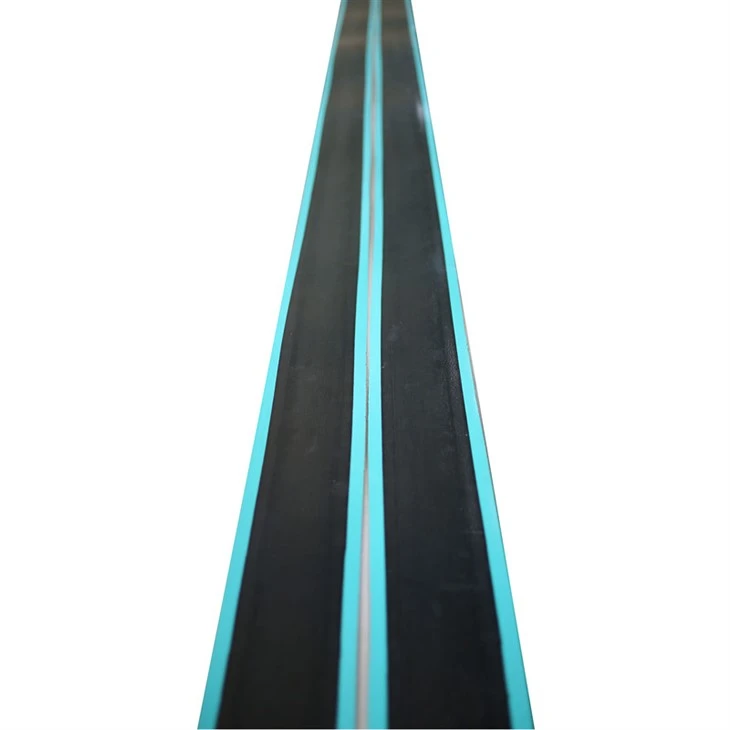
Disconnect the power supply and hang the safety warning board.
We shovel glue according to the status of residual glue on the roller surface. If the residual glue exceeds 0.5m, a shoveling glue machine must be used to remove the residual glue.
Before shoveling the glue, the roller must be rotated by humans. If it cannot be rotated, the connecting pin between the roller and the reducer must be removed. If the residual adhesive area is less than 0.5m, then there is no need to shovel the adhesive.
Note: When shoveling the glue, the angle between the flat chisel and the roller surface should be 15-30 degrees, or it will shovel off the steel body, and damage the flat chisel.
Polishing
There are many dirt, dust, grease, water, rust, and other organic or inorganic contaminants on the surface of the metal, which affect the wetting of the glue.
In order to improve the bonding strength, it is necessary to adopt mechanical, physical, chemical, and other methods to rough, clean, activate the surface of the adhesive, and change the surface properties.
It can facilitate the glue infiltration, make the glue have a firm binding, and finally improve the durability and service life of the bonding.
After the surface treatment, the metal surface can be changed into a kind of adhesive surface with high activity and high effective area.
There are two ways that can solve the problem, mechanical grinding and sandblasting. They can provide the surface with appropriate roughness, increase the effective bonding area, improve the glue to the surface of the adhesive infiltration, and the adhesion performance.
For the metal surface treatment of the roller, we usually use the steel brush or grinding machine to brush the loose oxide layer.
At present, the angle grinder with a tungsten steel buffing disc to do the grinding treatment, not only can improve the grinding efficiency but also prevents the aging phenomenon on the surface of the roller.
Cleaning
After polishing the surface, there is a lot of dirt, dust, grease, water, rust, and other organic or inorganic pollutants, which affect the glue adhesive effect.
We should use a cleaning agent to clean the surface. The cleaning agent should have good quality, which can protect the metal surface from corrosion.
You can clean it several times to make sure the surface is totally clean. After the cleaning, dry it for some time, it can guarantee a good adhesive effect for glue.
Transition
Brush a layer of metal primer evenly on the roller metal surface. Waiting an hour to let it dry completely.
The metal primer can not only prevent surface pollution but also prolong the storage life of the treated metal. It's a great way to guarantee the wetting performance of the adhesive and increase its adhesive strength and durability.
Gumming
Evenly brush the prepared cold vulcanized glue on the roller metal surface, and let it dry completely. The drying time is about 15-45 minutes.
Brush the second layer of cold vulcanized adhesive after the first glue dries completely. After the second glue can slightly stick to the hand, you can do the final surface bonding.
The bonding surface of the common glue board should be polished and cleaned first, then brush the glue twice. TRS or REMA adhesive is recommended, they only need to be brushed once, and there is no need to polish and clean it.
Bonding
You should fix the bonding reference line on the roller surface first. After the second glue brushing, it's easy to find the reference line for the bonding pulley lagging.
Sealing
Use a knife to cut out the V-shaped opening at the seam of the Conveyor Pulley Lagging. The width of the outer opening is 15mm. Polish the V-shaped opening with a steel wire polishing brush, then brush off the rubber powder.
Next, you should brush the T2 adhesive to the V-shaped opening twice. Then use the T2 extrude gun to fill the T2 adhesive, at the same time, keep pressing down with a compacting roller.
Trimming
Use a rubber knife to cut off the excess rubber at the edge of the roller. Keep the angle of the rubber knife at an angle of 45° with the surface. While rotating the roller, remove the excess rubber.
Certifications

Our Factory
Frequently Asked Questions
We're well-known as one of the leading pulley lagging manufacturers and suppliers in China. Please feel free to wholesale high quality pulley lagging at competitive price from our factory. Contact us for more details.
rema quality ceramic lagging, vulcanizing rubber solution, Diamond Pulley Lagging Sheet